Stone bracelet meanings explained: what amethyst, tiger's eye, rose quartz, obsidian and 26 other gemstones traditionally mean, and how to choose yours.
For thousands of years people have chosen stones for what they represent as much as for how they look. Romans carried onyx into battle, Egyptians wore lapis lazuli as a sign of royalty, and today many people pick a bracelet for a quality they want to keep close: calm, confidence, love or protection. This guide lists the meaning traditionally given to each stone we work with, grouped by intention, so you can find the right one quickly.
A note on honesty: these meanings come from history, folklore and modern crystal tradition. They are cultural beliefs, not scientific or medical properties. We share them because a stone with a meaning you care about becomes a bracelet you wear every day.
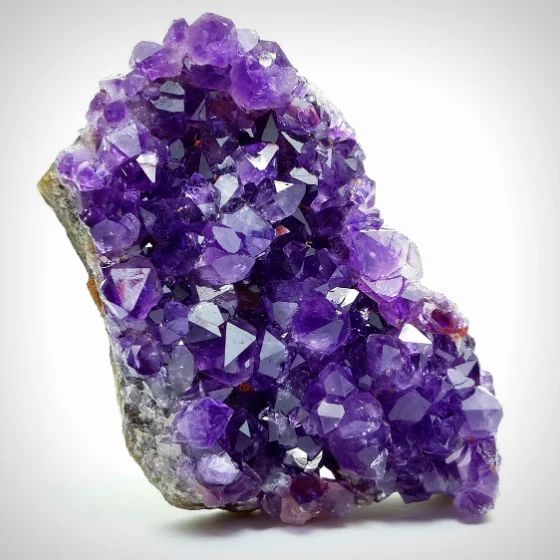
Amethyst: clarity, calm and intuition. The purple quartz long linked with a clear head and restful sleep. Howlite: patience and a quiet mind. White with grey veins, a stone for slowing down. Larimar: tranquil Caribbean seas. A rare blue stone found only in the Dominican Republic, worn for serenity. Blue lace agate: gentle, honest communication. Soft blue bands that calm and steady the voice. Aquamarine: serene flow and steady nerves. The sea-blue beryl of sailors and travellers. Blue tiger's eye: calm clarity and patience. The cool, blue-grey side of tiger's eye.
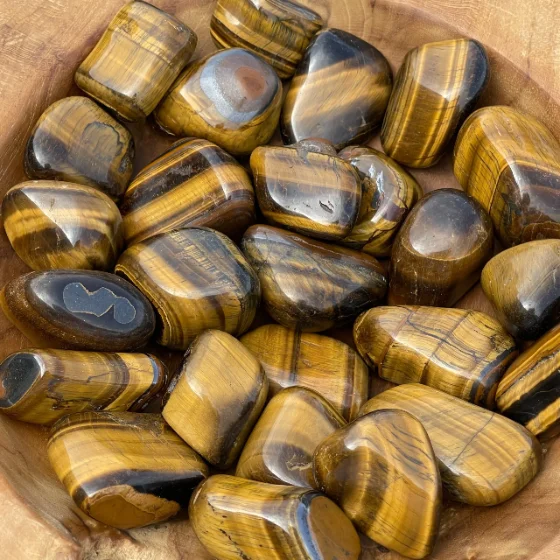
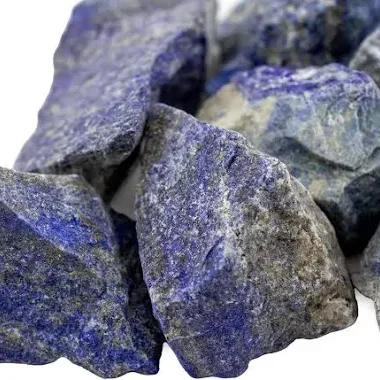
Tiger's eye: confidence, will and focus. Golden stripes that move in the light. Sunstone: warmth, leadership and light. A feldspar that glitters from within. Red carnelian: vitality, courage and drive. Warm orange-red agate. Apatite: focus, drive and clear thought. Lapis lazuli: truth, royalty and wisdom. The deep blue prized since ancient Egypt.
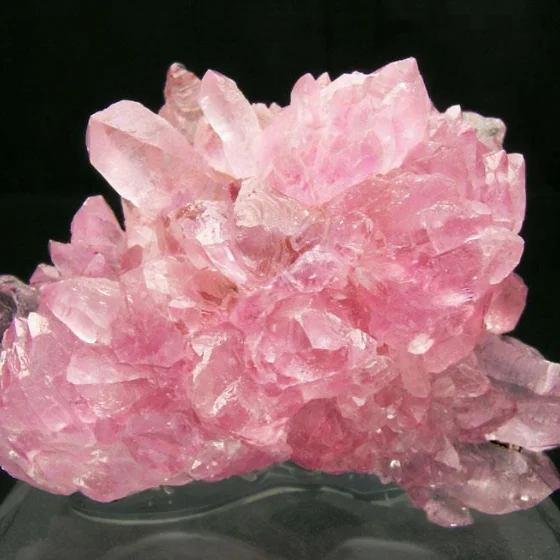
Rose quartz: unconditional, gentle love. The best-known stone of the heart. Strawberry quartz: joyful, warm-hearted love. Clear quartz with red inclusions. Red garnet: passion and devotion. A deep red stone exchanged as a promise. Moonstone: intuition and new beginnings. A feldspar with a soft, moving glow.
Black obsidian: a shield of truth. Volcanic glass, deep black. Black onyx: strength and grounded protection. Carried by Roman soldiers as an amulet. Hematite: grounding, focus and stability. Metallic grey and heavy in the hand. Lava stone: raw strength and stability. Porous rock formed from cooled lava. Turquoise: protection and ancient wisdom. One of the oldest protective stones in the world. Malachite: protection and steady growth. Bold green bands of copper mineral.
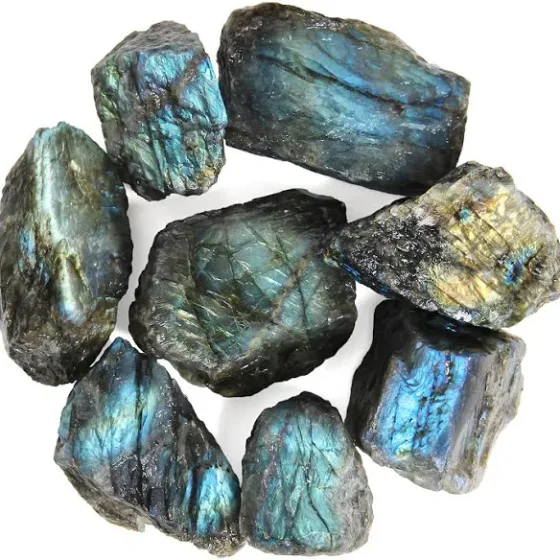
Green jade: harmony, luck and serenity. A stone of good fortune in many cultures. Sodalite: logic balanced with intuition. Navy blue with white veins. Labradorite: magic, mystery and transformation. Grey stone with flashes of blue and gold. Amazonite: courage, truth and balance. Soft green-blue feldspar. Chrysanthemum fossil coral: a rare bloom of good fortune.
Gibeon meteorite: forged among the stars. Iron-nickel from space, more than 4 billion years old. Lemurian quartz: ancient memory and wisdom. Quartz crystals with distinctive horizontal ridges. Phantom quartz: growth layered over time. Crystals with ghost-like earlier growth inside. Tridacna: purity and serene white. A marine material with a calm, minimal look.
Start with the intention: pick the group above that matches what you want the bracelet to remind you of. Then trust the colour you are drawn to; most people choose a stone they like looking at, and that is the one they keep wearing. Finally, choose the bead size: 6 or 8 mm for a fine bracelet, 10 mm for every day, 12 mm for a statement.
Yes. Mixed bracelets combine stones with complementary meanings, such as hematite for grounding with tiger's eye for confidence, or howlite with sodalite for a calm, clear mind. Two or three different bracelets on the same wrist work the same way.
Which stone bracelet is best for anxiety and calm? In crystal tradition: amethyst, howlite, larimar and blue lace agate. They are worn as reminders to slow down, not as a treatment. Which stone means love? Rose quartz above all, followed by strawberry quartz and red garnet. Which stone is for protection? Black obsidian, black onyx, hematite and turquoise are the traditional protective stones. Which stone brings luck? Green jade is the best-known stone of good fortune. Are your stones natural? Yes, unless the product page says otherwise. A few materials we use, such as Murano glass, Swarovski crystal, blue sandstone and cloisonné, are man-made, and their pages say so.
{{ subtitle }}
{{ lead }}
{{ para.p }}